
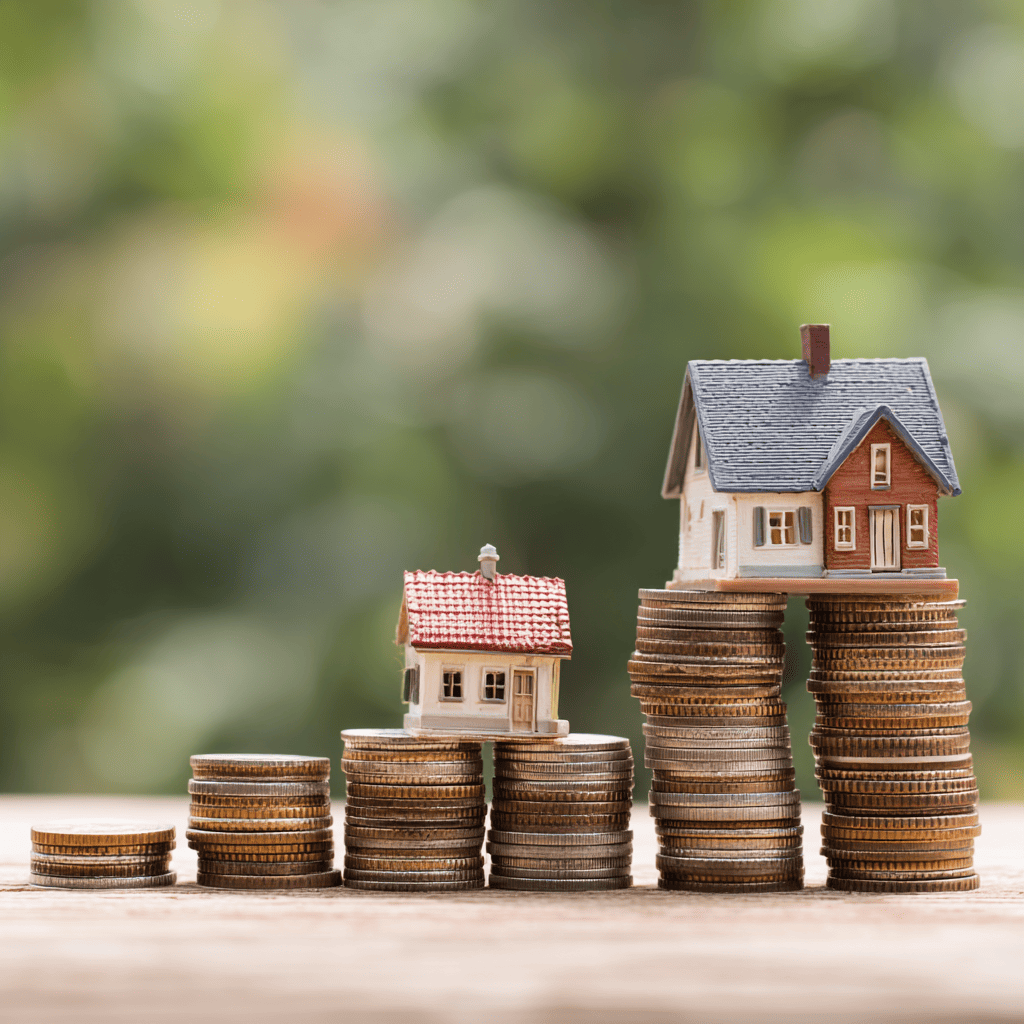
When we talk about real estate investing, the conversation often centers on personal profit—the returns an individual investor can generate from a well-executed flip or a growing rental portfolio. But there’s a larger, more inspiring story unfolding in cities across America. It’s the story of how active investors, armed with the right financing, become catalysts for neighborhood transformation. They don’t just buy houses; they breathe new life into neglected blocks, create beautiful homes that lift surrounding property values, and lay the foundation for community renewal. This is the powerful, often-overlooked impact of hard money lending: it empowers individuals to become market makers, driving positive change one renovation at a time. For investors in the nation’s capital who want to be part of this transformative story, partnering with local experts like newfundingresources.com/washington-dc provides both the capital and the market wisdom to create lasting value for themselves and their communities.
The Ripple Effect: How One Renovation Transforms A Block
 Walk through any transitioning neighborhood, and you’ll see it: one beautifully renovated home standing proudly among neglected properties. That single renovation does more than just create profit for its investor. It sends a signal. Neighbors see what’s possible. Property owners realize their own homes have increased in value. New families are attracted to the area. Coffee shops and small businesses begin to take notice.
This is the ripple effect of thoughtful, quality renovation work. Each improved property becomes an anchor, stabilizing and elevating everything around it. Over time, blocks transform, then entire neighborhoods. And it all starts with an investor who had the vision to see potential and the financing to act on it.
Hard Money: The Fuel For Neighborhood Transformation
Traditional lenders rarely fund the projects that spark neighborhood renewal. They see distressed properties in transitional areas as too risky. Their rigid underwriting can’t account for the vision required to see what a block could become.
Hard money lenders operate differently. As asset-based lenders, they focus on potential—what a property will be worth after thoughtful renovation. This future-focused approach provides the capital needed to acquire and transform the very properties that conventional financing ignores.
As one lender explains, “We underwrite holistically, meaning that we don’t let one single factor determine the approval or disapproval of your loan. Everybody has their strengths and weaknesses, and every hard money loan application has its pluses and minuses” . This open-minded approach means that good deals in emerging neighborhoods get funded, even if they don’t fit a conventional mold.
Beyond Profit: The Community Impact Of Active Investing
The investors who drive neighborhood change are motivated by more than just their bottom line. They take pride in their work and understand its broader impact.
Eliminating Blight: Distressed properties don’t just sit empty; they actively harm their surroundings. They attract crime, depress neighboring property values, and signal neighborhood decline. When an investor renovates one of these properties, they remove a source of blight and replace it with a source of community pride.
Improving Housing Stock: Quality renovations create beautiful, functional homes that meet modern standards. These aren’t just houses; they’re places where families will build lives, where children will grow up, where community will form.
Raising Standards: A thoughtfully renovated home sets a new standard for its block. Neighbors see what’s possible and are inspired to invest in their own properties. This virtuous cycle of improvement is how neighborhoods transform.
Attracting Investment: As an area improves, it attracts more investment—from other renovators, from small businesses, from the city itself. New coffee shops open. Sidewalks get repaired. Parks receive attention. The initial investment catalyzes broader renewal.
The Washington, DC Story: A Market Ripe For Transformation
Washington, DC offers a compelling example of how active investors can drive neighborhood change while building wealth. The city’s market fundamentals are strong: “steady appreciation that not quite doubled the price but came close to it” since 2007, and a job market “reliant on the federal government” that insulates it from the worst economic cycles .
Yet within this strong overall market, neighborhoods at different stages of development offer opportunities for transformative investment. “Rapidly growing and changing areas are seeing more affluent buyers clamoring for newly renovated homes” . These are the neighborhoods where skilled investors can make the greatest impact.
The DC market also presents unique opportunities for creative value creation. “Condo conversion opportunities offer unique ways to increase a transaction’s ROI” . By transforming a single-family home into multiple units, investors can create much-needed housing while maximizing returns.
The Skills That Drive Successful Transformation
Renovating in a market like Washington, DC requires more than just capital. It demands taste, market knowledge, and execution capability. “Renovating homes in Washington, DC is not for complete novices. It require taste, knowledge of the most recent design trends, and a reliable crew that is both fast and quality-oriented” .
The investors who succeed in driving neighborhood change bring these qualities:
Vision: They see what a property can become, not just what it is. They understand which renovations add lasting value and which merely chase trends.
Quality Standards: They don’t cut corners. Their renovations are built to last, using materials and finishes that will hold up over time. As one lender notes, “While it doesn’t mean that each DC property needs to look like Jeff Bezos’ Kalorama mansion, the standards are high” .
Local Knowledge: They understand their market intimately—which blocks are improving, what buyers in each neighborhood want, and how to navigate local regulations.
Patience and Persistence: In competitive markets like DC, securing the right properties takes time. “The DC inventory is tight and competition among investors is severe. As the Washingtonian Magazine put it, ‘People in Washington these days don’t really buy houses. They win them'” . Successful investors are prepared for this reality.
The Lender’s Role: More Than Just Capital
The best hard money lenders don’t just provide funds; they become partners in the transformation process. They bring local expertise, market insights, and guidance that helps investors succeed.
A lender with deep local knowledge can help in several ways:
Realistic ARV Discussions: “Pro-actively remove third party biases in determining the after-repair value of your project. In other words, let’s have an authentic discussion of how much you can get for your renovated property in the current Washington, DC real estate market” .
Rehab Guidance: “We help you set and manage your rehab process. We would let you know how realistic your rehab budget is and consult with you on whether your construction scope warrants getting permits or not” . This guidance helps investors avoid costly mistakes.
Specialized Expertise: “We are the experts on buying at foreclosure auctions. If you are considering a property offered for an auction, talk to our managing partner, Kyle Sennott. He is a premier expert in this area” . This specialized knowledge opens doors to unique acquisition opportunities.
Powerful Analytical Tools: “We offer a variety of tools created specifically for the DMV market. Take our hard money calculator for a spin to determine your profit, ROI, and possible contribution to the transaction. Or check out our maximum purchase price calculator, a unique and nifty tool that helps set a maximum purchase price based on the minimum amount of profit you are willing to accept” .
Proof in Pictures: Transformations That Inspire
The proof of this transformative power lies in the before-and-after photos that document what’s possible. A neglected property in NE Washington, DC, where “everything had to be redone,” transformed into a home with “opened layout to meticulously crafted details, to tasteful staging” . A Cape Cod in SE DC turned “into a modern and airy home” . A full remodel where “nothing is spared as the old gives way to the new,” resulting in a space of “nonchalant elegance” .
These aren’t just financial transactions; they’re acts of creation. Each transformed property represents hours of labor, careful planning, and a vision for what could be. And each one contributes to the larger story of neighborhood renewal.
Your Role In The Story
The neighborhoods we love didn’t become that way by accident. They were built, block by block, by people who believed in their potential and invested in their future. Today’s investors, armed with hard money financing, are continuing that tradition.
Every time you renovate a neglected property, you’re not just building your own wealth. You’re contributing to something larger—a process of renewal that lifts entire communities. You’re creating homes where families will thrive. You’re raising standards that inspire others. You’re attracting the investment that transforms blocks into neighborhoods.
This is the deeper meaning of real estate investing. It’s not just about the numbers on a spreadsheet. It’s about the physical, tangible impact you have on the places where people live.
If you’re ready to be part of this transformative story—to create value for yourself while revitalizing communities—the right financing partner can make all the difference. With local expertise, flexible capital, and a genuine commitment to your success, they’ll help you find, fund, and finish the projects that matter most.
Your next renovation could be the one that changes a block. Your next project could be the catalyst for broader renewal. The market-making power is in your hands. And to help you kickstart your real estate investment, you might also want to look into making money online via www.taladball.net/football-betting/rules-terms/.